
20th Anniversary Conference
19 May 2026
Tax Academy of Singapore’s 20th Anniversary Conference brought together government, academia, industry leaders and tax professionals to explore the future of taxation, from international tax cooperation and tax certainty to AI, innovation and building a future-ready tax ecosystem.

On 19 May 2026, Tax Academy of Singapore marked its 20th anniversary by bringing together more than 20 leaders from government, international organisations, tax administrations, academia, industry and the legal profession to examine the forces reshaping taxation — from international tax cooperation and tax certainty to Pillar Two, artificial intelligence and the future of tax administration.
Twenty years of advancing tax capability
Established in 2006, Tax Academy of Singapore was founded with a clear purpose: to raise the professional competency of the tax community and strengthen Singapore’s position as a leading centre for taxation and regional tax knowledge.
Two decades later, the environment in which tax professionals operate has transformed.
Tax today intersects increasingly with business strategy, investment, technology, trade and geopolitics. International rules have become more interconnected, new technologies are changing how tax administrations and businesses work, and tax certainty has become increasingly important for organisations operating across borders.
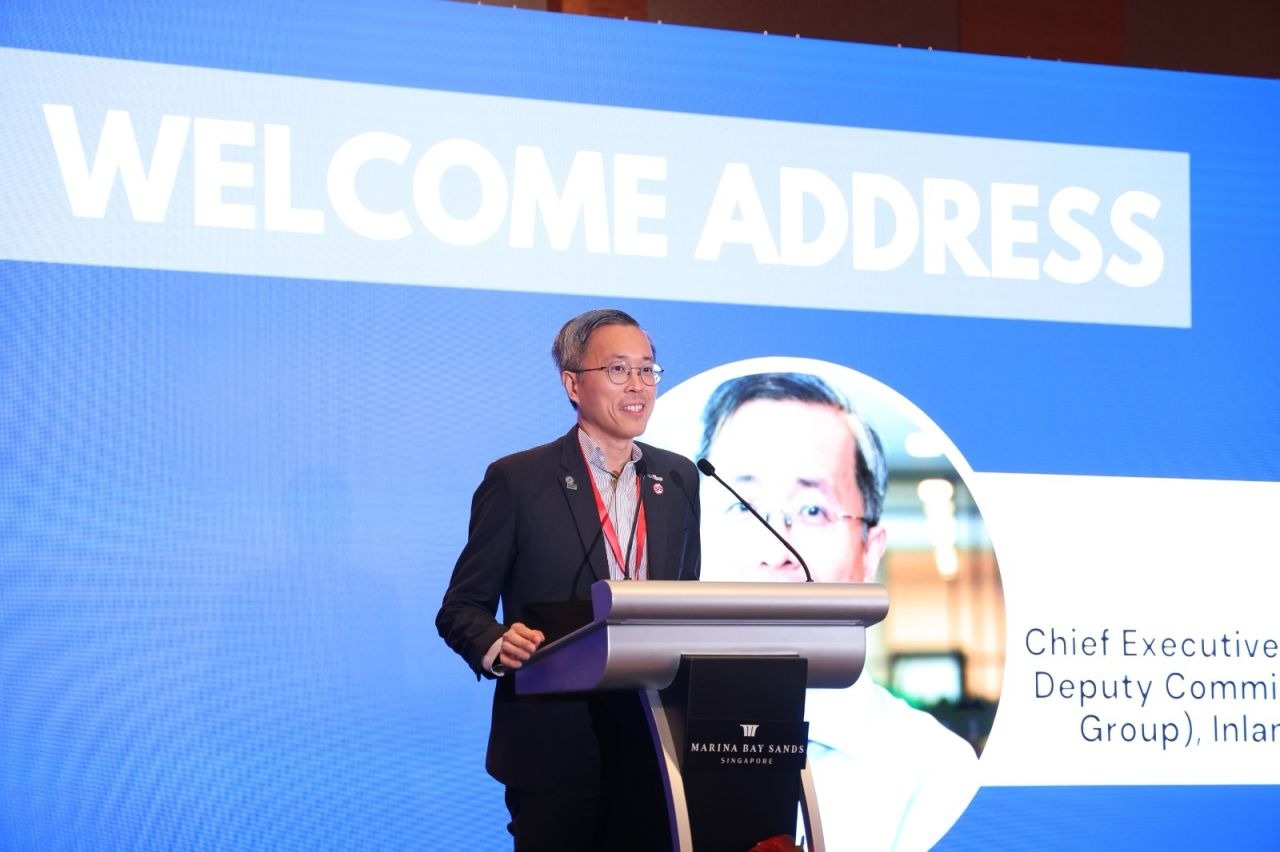
At the conference, Tax Academy CEO Dennis Lui reflected on what this means for Tax Academy’s role:
“What sets us apart is how we bring together government, industry and academia, not as a closed faculty but a community of practice.”— Mr Dennis Lui, CEO Tax Academy of Singapore
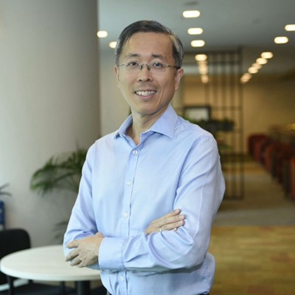
That community has continued to grow. In 2025 alone, Tax Academy delivered more than 100 programmes to close to 10,000 public- and private-sector participants, supported by more than 100 trainers from IRAS, international accounting firms and the wider tax community.
The 20th Anniversary Conference brought that community together to look not only at where taxation stands today, but where it may be heading next.

Opening Address by Ms Indranee Rajah, Minister in the Prime Minister’s Office and Second Minister for Finance & National Development
Preparing for a changing global tax landscape
Guest-of-Honour Ms Indranee Rajah, Minister in the Prime Minister’s Office and Second Minister for Finance and National Development, opened the conference by reflecting on the significant changes confronting businesses and tax administrations.
From the implementation of the Global Minimum Tax under Pillar Two to the emergence of artificial intelligence and the rise of increasingly complex cross-border tax disputes, the tax environment continues to evolve rapidly.
Minister Indranee highlighted Singapore’s approach of not merely adapting to these developments, but anticipating how tax systems can evolve in an increasingly digitalised and interconnected world.
A recurring theme was tax certainty. As businesses operate across more jurisdictions and international tax rules become more complex, the ability to prevent and resolve disputes efficiently and fairly becomes increasingly important to long-term business and investment decisions.
.avif)
Dr. Achim Pross, Deputy Director, Centre for Tax Policy and Administration (CTPA) Organization for Economic Cooperation and Development (OECD)
Can the international tax system remain stable?
The international dimension of these questions was explored by Dr Achim Pross, Deputy Director of the OECD Centre for Tax Policy and Administration, in his keynote, Can the International Tax System be Stabilized?
His address examined the building blocks underpinning international taxation — including tax treaties, the BEPS reforms, the global minimum tax, tax administration and dispute prevention — and the continuing importance of cooperation in maintaining a functioning international tax system.
Speaking about Singapore’s longstanding involvement in advancing tax certainty, Dr Pross remarked:
This is the home of Tax Certainty.— Dr. Achim Pross, Deputy Director, Centre for Tax Policy and Administration (CTPA) Organization for Economic Cooperation and Development (OECD)

The conversation was complemented by Ms Patricia Brown, Senior Economic Affairs Officer at the United Nations, who brought perspectives from the United Nations and developing economies into the discussion. Her address highlighted the importance of inclusive international tax cooperation and of recognising the different circumstances and priorities of countries participating in the international tax system.
Together, the perspectives underscored a central challenge: how can an increasingly complex international tax architecture continue to support cooperation, investment and sustainable economic development?
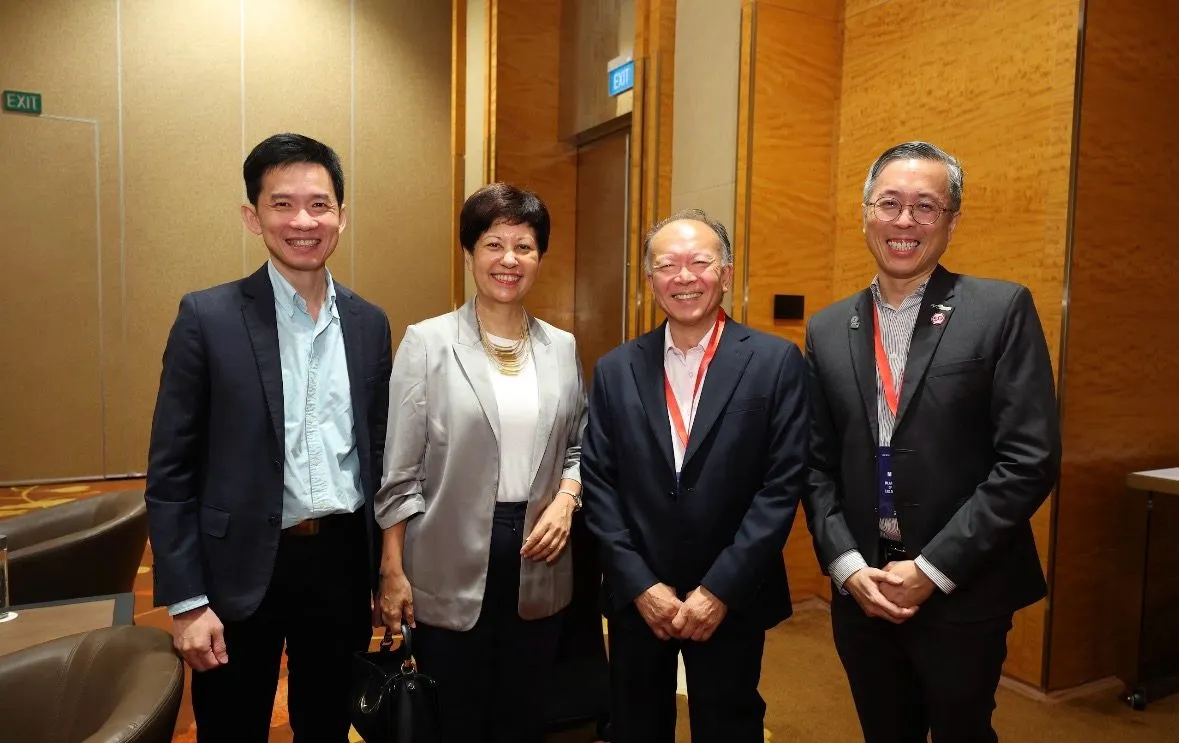
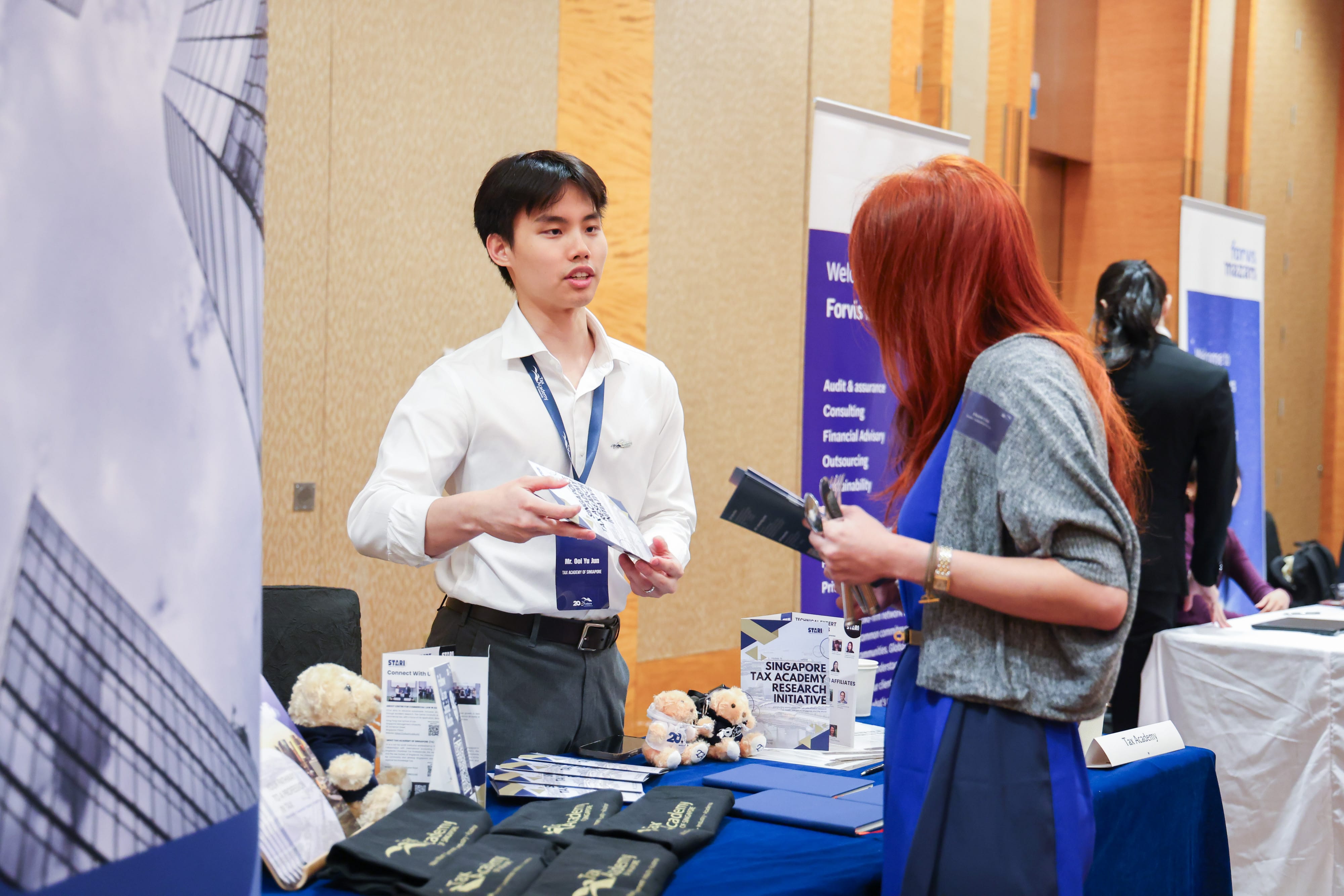
From tax disputes to greater certainty
The conference then moved from global policy to the practical realities confronting businesses and tax administrations.
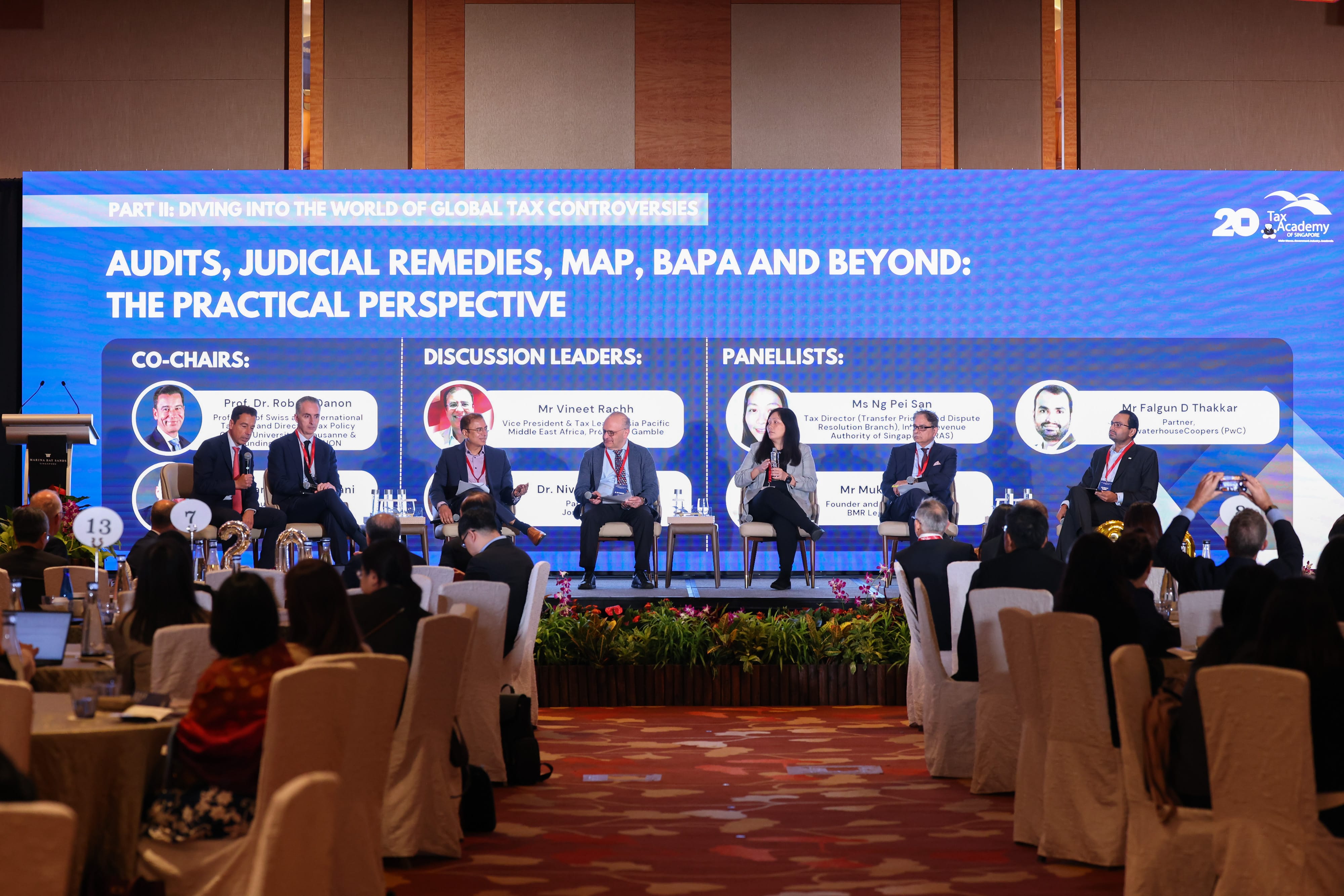
Experts examined transfer pricing and tax treaty disputes across Asia, approaches to dispute prevention and resolution, and the new questions that could arise as countries implement the Pillar Two GloBE rules.
The discussions considered how mechanisms such as Mutual Agreement Procedures and Advance Pricing Arrangements can support greater certainty, while also looking ahead to how new forms of Pillar Two disputes might be prevented, coordinated and resolved.
The message was clear: in an increasingly interconnected tax environment, preventing unnecessary disputes is just as important as resolving them.
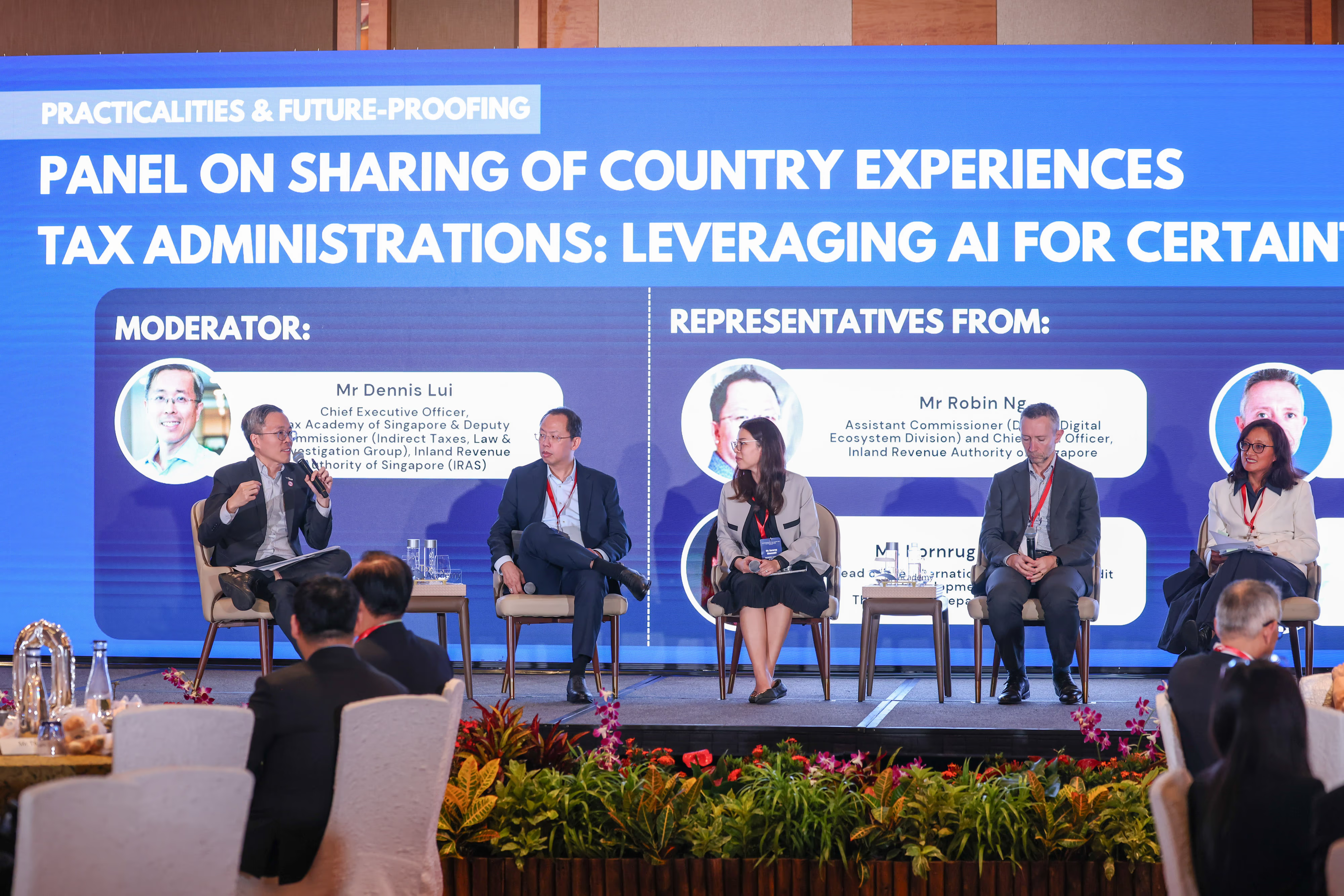
Panel on Sharing of Country Experiences: Tax Administrations: Leveraging AI for Certainty
How AI could transform tax administration
The afternoon turned to one of the defining forces shaping the future of taxation: artificial intelligence.
Tax administration leaders and practitioners from across the Asia-Pacific explored how AI, machine learning, advanced analytics and trusted data ecosystems could transform taxpayer services, compliance, risk management and information exchange.
The discussion looked beyond simple automation. Future tax administrations could become increasingly real-time, predictive and personalised, with AI supporting earlier risk detection, more responsive taxpayer assistance and more precise compliance interventions.
At the same time, speakers emphasised that technological capability must develop alongside human judgement, responsible AI governance, data protection, transparency and trust.
The question is therefore no longer simply whether tax administrations will use AI, but how it can be deployed responsibly while strengthening both effectiveness and taxpayer confidence.

Discussion Leaders & Panel Members (left to right): Dr. Giammarco Cottani, Prof. Dr. Robert Danon, Dr. Achim Pross, Mr Chester Wee, Prof. Georg Kofler, Mr Scott Levine, Mr Nathaniel Carden
Rethinking tax incentives in a Pillar Two world
As the international tax environment changes, so too must the conversation around tax incentives.
The conference examined the effectiveness and future design of tax incentives in the era of Pillar Two, including substance-based considerations, emerging safe harbours and the interaction between tax policy, trade rules and investment law obligations.
The discussion illustrated how international tax developments increasingly extend beyond the tax function itself, with implications for economic policy, investment decisions and the competitiveness strategies of jurisdictions.
How far should taxation reach across borders?
The conference concluded by stepping back from individual rules and considering a larger question about the international tax system.
In his closing keynote, Geographically Expansive Taxation, Professor John Vella, Professor of Law and Director (Law) of the Oxford University Centre for Business Taxation, examined the expanding reach of taxation across borders.
His lecture considered the legal limits of states’ jurisdiction to tax and a more fundamental policy question: even where a country has the legal right to impose tax, are there circumstances in which it should exercise restraint?
It was a fitting conclusion to a day that began by asking whether the international tax system could remain stable — and ended by considering how that system itself might continue to evolve.

Conference 2026 Group Photo
Building the next chapter together
Tax Academy’s 20th anniversary is both a milestone and a starting point.
Over two decades, Tax Academy has grown beyond the delivery of tax training to become a platform for learning, research, dialogue and collaboration, connecting government, industry, academia, tax professionals and international partners.
Initiatives such as the Singapore Tax Academy Research Initiative (STARI), new partnerships across the tax ecosystem, continued investment in future tax talent and programmes reaching beyond traditional tax professionals reflect this expanding role.
As the tax landscape becomes more interconnected and more complex, Tax Academy will continue to bring together the people, knowledge and perspectives needed to help the tax community remain credible, current and capable.
Twenty years on, the purpose remains enduring: to strengthen a tax ecosystem that is technically strong, internationally connected and ready for whatever comes next.
.jpg)
.jpg)
.jpg)
.jpg)
Continue exploring
20th Anniversary Welcome Speech
Read CEO Dennis Lui’s reflections on Tax Academy’s first 20 years and the journey ahead.
[Read the speech]
20th Anniversary Conference 2026
View the conference programme, speakers and sessions.
[Explore the conference]