
Rethinking Tax Policy: Corporate Tax Morale, Progressive VAT and Global Trends in Wealth Taxation
8 September 2026
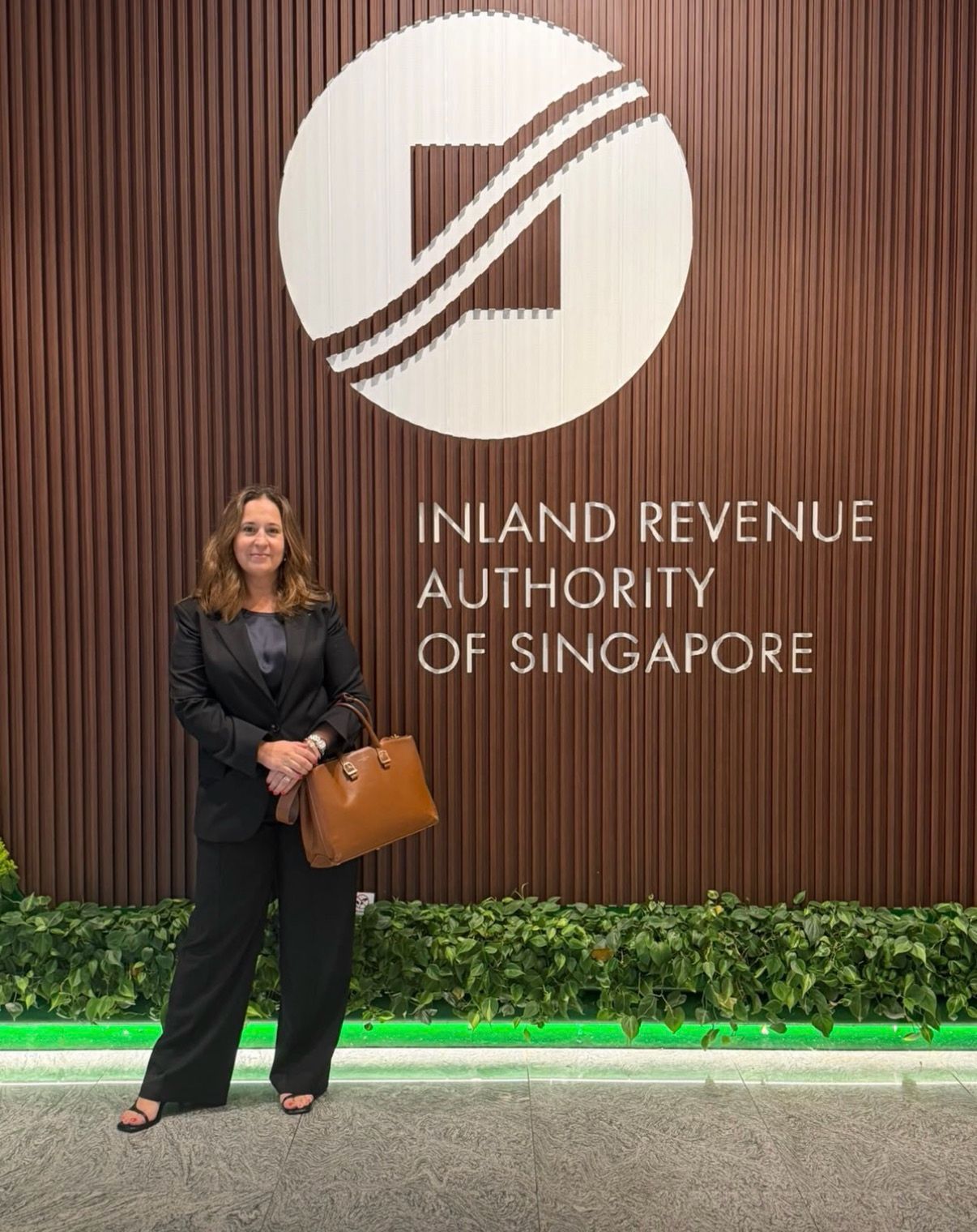
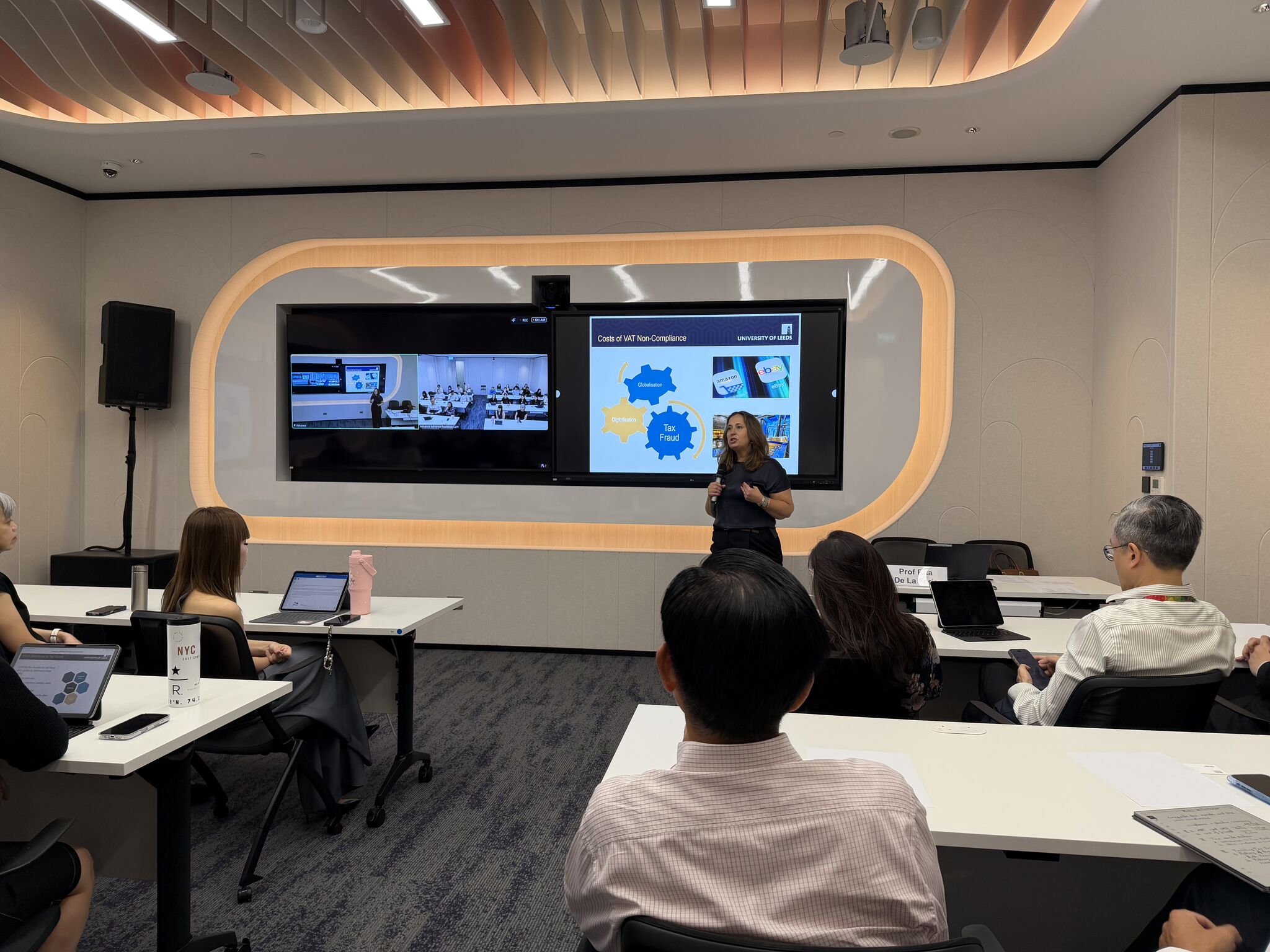
Tax Academy of Singapore welcomed Professor Rita de la Feria for three seminars examining corporate tax morale, the design of progressive VAT systems and global developments in wealth taxation.
Held across 7 and 8 September 2026, the seminars explored how tax policy intersects with behavioural science, fairness and economic considerations. The sessions provided participants with perspectives on the factors influencing tax compliance, alternative approaches to addressing VAT regressivity and the evolving landscape of wealth taxation.

Understanding Corporate Tax Morale
The first seminar, Corporate Tax Morale, examined why small and medium-sized enterprises (SMEs), particularly in developing countries, may not comply with their tax obligations.
While conventional tax compliance models often emphasise deterrence through audits and penalties, the research presented highlighted the influence of psychological factors on the compliance decisions of SME owners. It introduced a theoretical framework identifying five endogenous and six exogenous motivations behind tax compliance and non-compliance.
Drawing on empirical research involving interviews with SME owners and an analysis of court cases, the study examined how the attitudes and motivations of business owners can influence the tax behaviour of the companies they operate. This challenges the conventional assumption that corporate tax compliance decisions are driven primarily by financial incentives and enforcement measures.
The discussion highlighted the importance of understanding the behavioural factors behind corporate tax compliance, particularly when developing tax policies and designing approaches to tax administration.
Exploring a More Progressive Approach to VAT
The second seminar, Designing a Progressive VAT, explored an alternative approach to addressing the regressive effects commonly associated with value-added tax (VAT).
As lower-income households generally spend a larger proportion of their income on consumption, VAT can place a relatively greater burden on them. Conventional approaches to mitigating this effect include reduced tax rates, exemptions and welfare transfers.
The seminar introduced a proposed progressive VAT model based on a single-rate, broad-based system. Under this approach, the tax paid on consumption would be returned to lower-income households in real time at the point of purchase.
The proposed model seeks to address VAT regressivity while reducing some of the political, cash-flow and welfare stigma challenges associated with conventional transfer mechanisms. It also considers the potential benefits for tax compliance incentives.

Examining Global Trends in Wealth Taxation
The third seminar, Global Trends in Wealth Taxation, turned to the relationship between wealth inequality and the role of taxation in addressing it.
The session examined the global retreat of wealth and inheritance taxes, alongside the growing use of preferential tax regimes. It explored three key areas: whether wealth inequality matters, the global trends shaping wealth taxation, and the possible future direction of wealth taxes.
These issues raised broader questions about how governments approach the taxation of wealth and the considerations that shape their policy choices. The discussion offered participants an opportunity to consider the challenges and developments influencing wealth taxation in an increasingly unequal world.

Broadening Perspectives on Tax Policy
Across the three seminars, Professor de la Feria's research brought together behavioural, economic and policy perspectives on some of the key questions facing modern tax systems.
From understanding the motivations behind corporate tax compliance to considering alternative ways of designing VAT and examining international developments in wealth taxation, the sessions encouraged participants to look beyond the technical application of tax rules and consider their wider implications.
Tax Academy of Singapore extends its appreciation to Professor Rita de la Feria for sharing her research and expertise across the three seminars, as well as to all participants for their engagement and contributions.