Tax & Trade Series II: Tax Strategies for Cross-Border Business – Korea, India and Malaysia
17 November 2026
Continuing its focus on regional tax developments, Tax Academy of Singapore brought together tax practitioners from South Korea, India and Malaysia for the second instalment of its Tax & Trade series. The seminar explored key international tax developments and their implications for businesses operating across different jurisdictions.
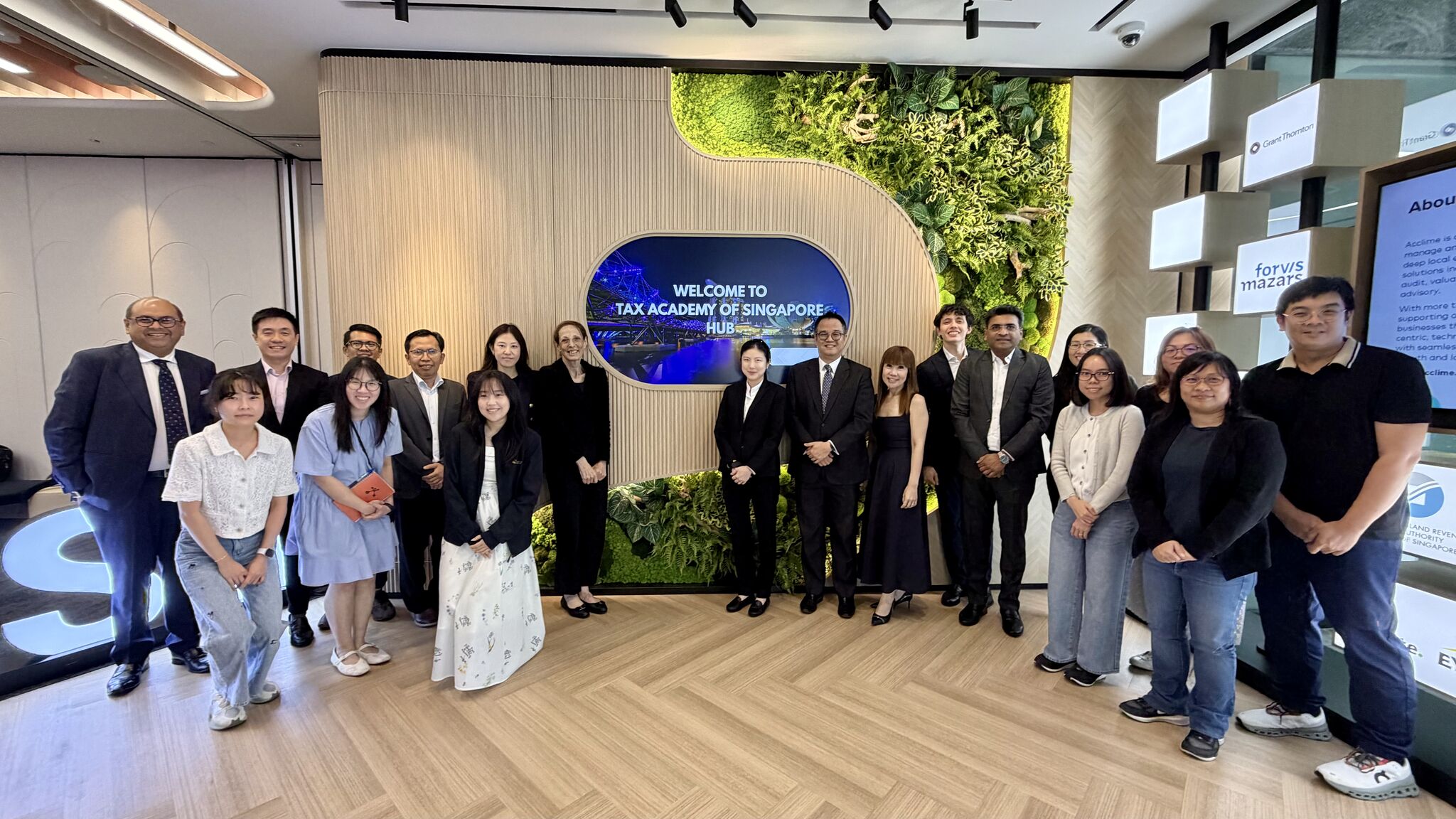
Organised in collaboration with the Singapore Business Federation (SBF), CFOTI and WTS Taxise, Tax & Trade Series II: Tax Strategies for Cross-Border Business – Korea, India and Malaysia was held on 17 November 2026.
The seminar built on the earlier Tax & Trade Strategies for Cross-Border Business, a two-part programme jointly organised by Tax Academy of Singapore and Taxise Asia LLC (WTS Taxise) on 16 and 17 September 2026. Featuring practitioners from Singapore, Indonesia, the Philippines and Vietnam, the programme comprised a Tax Showcase examining international tax developments, Pillar Two, tax audits and controversy, followed by a Trade Showcase covering tariffs, customs, rules of origin, export controls, sanctions and trade compliance. The second instalment extended the discussion to South Korea, India and Malaysia, providing further perspectives on the tax considerations facing businesses across the region.
Check out the earlier seminar: Tax & Trade Strategies for Cross-Border Business
Navigating International Tax Developments Across Three Markets
As businesses expand across borders, keeping pace with international tax developments and the requirements of individual jurisdictions is essential. Changes in tax rules and administrative practices can affect how businesses structure their operations, manage tax obligations and assess potential exposures in different markets.
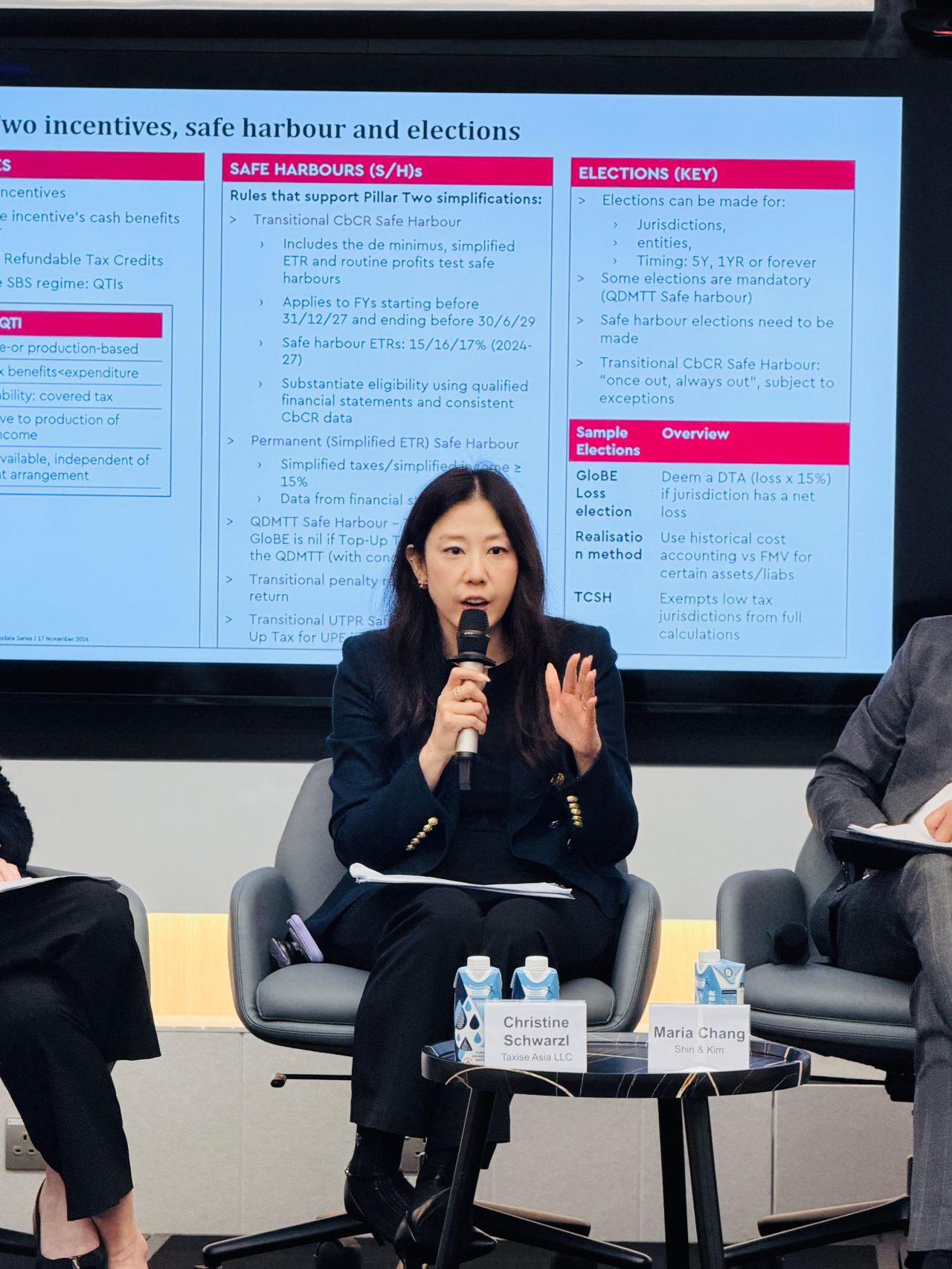
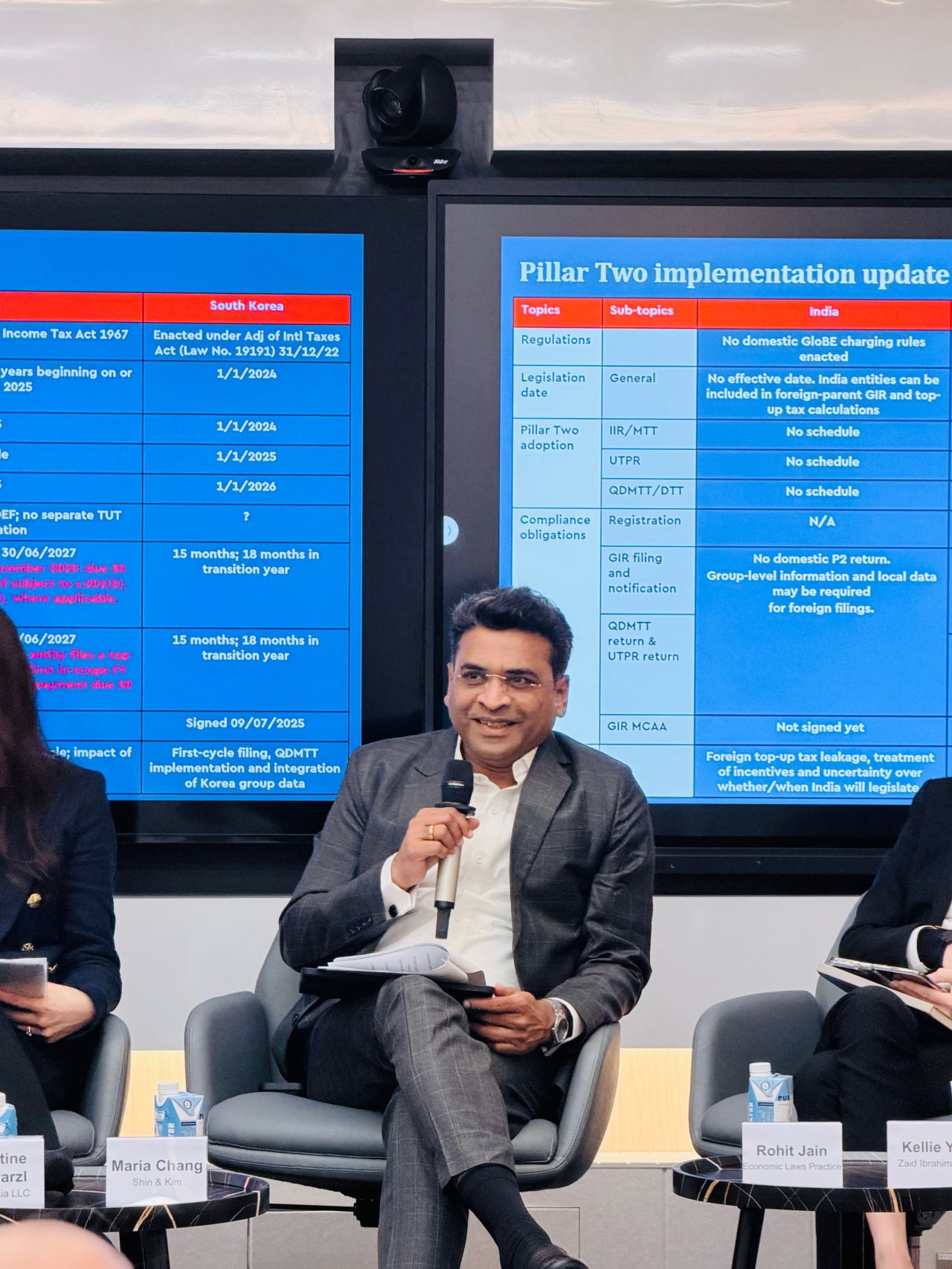
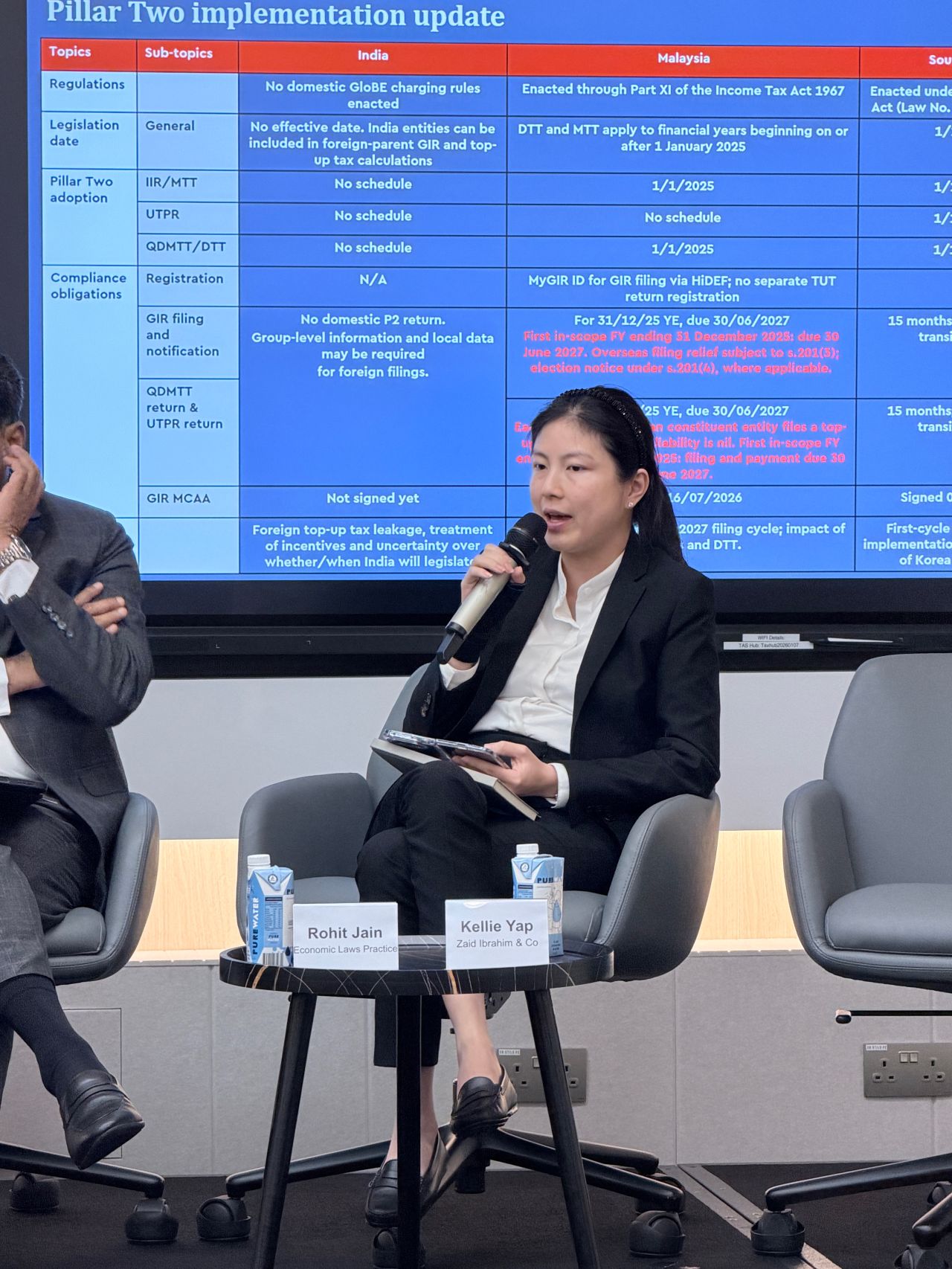
One key development is the Global Minimum Tax under Pillar Two. As jurisdictions progress with implementation, multinational enterprises need to understand the implications for their operations, including the relevant compliance and reporting considerations. However, the application of these rules and the surrounding requirements may differ across markets.
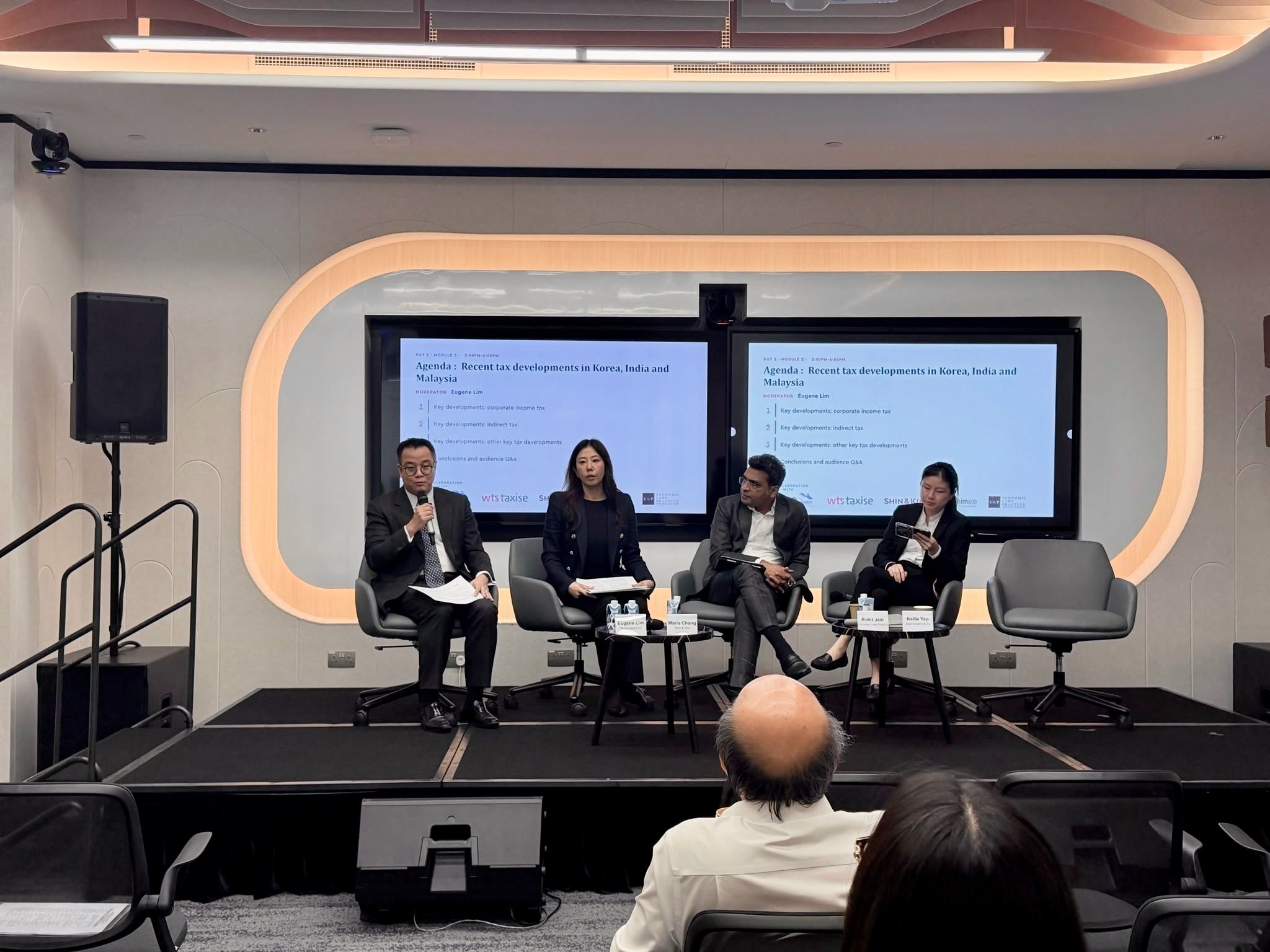
The seminar examined the Global Minimum Tax and related developments in South Korea, India and Malaysia. Bringing together practitioners from these jurisdictions offered participants an opportunity to consider the developments from different market perspectives and better understand the considerations involved in managing tax matters across borders.
Addressing Transfer Pricing, Tax Audits and Controversy
Alongside broader international tax developments, businesses operating across multiple jurisdictions must also navigate local tax requirements and the scrutiny of tax authorities.
Transfer pricing is an important consideration for multinational enterprises, particularly where transactions take place between related entities across different markets. Businesses need to understand the applicable requirements and ensure that their intercompany arrangements are appropriately supported.
Tax audits and potential disputes add another dimension to cross-border tax management. Differences in local tax rules, administrative practices and enforcement approaches can create challenges for businesses seeking to manage their tax positions across jurisdictions.
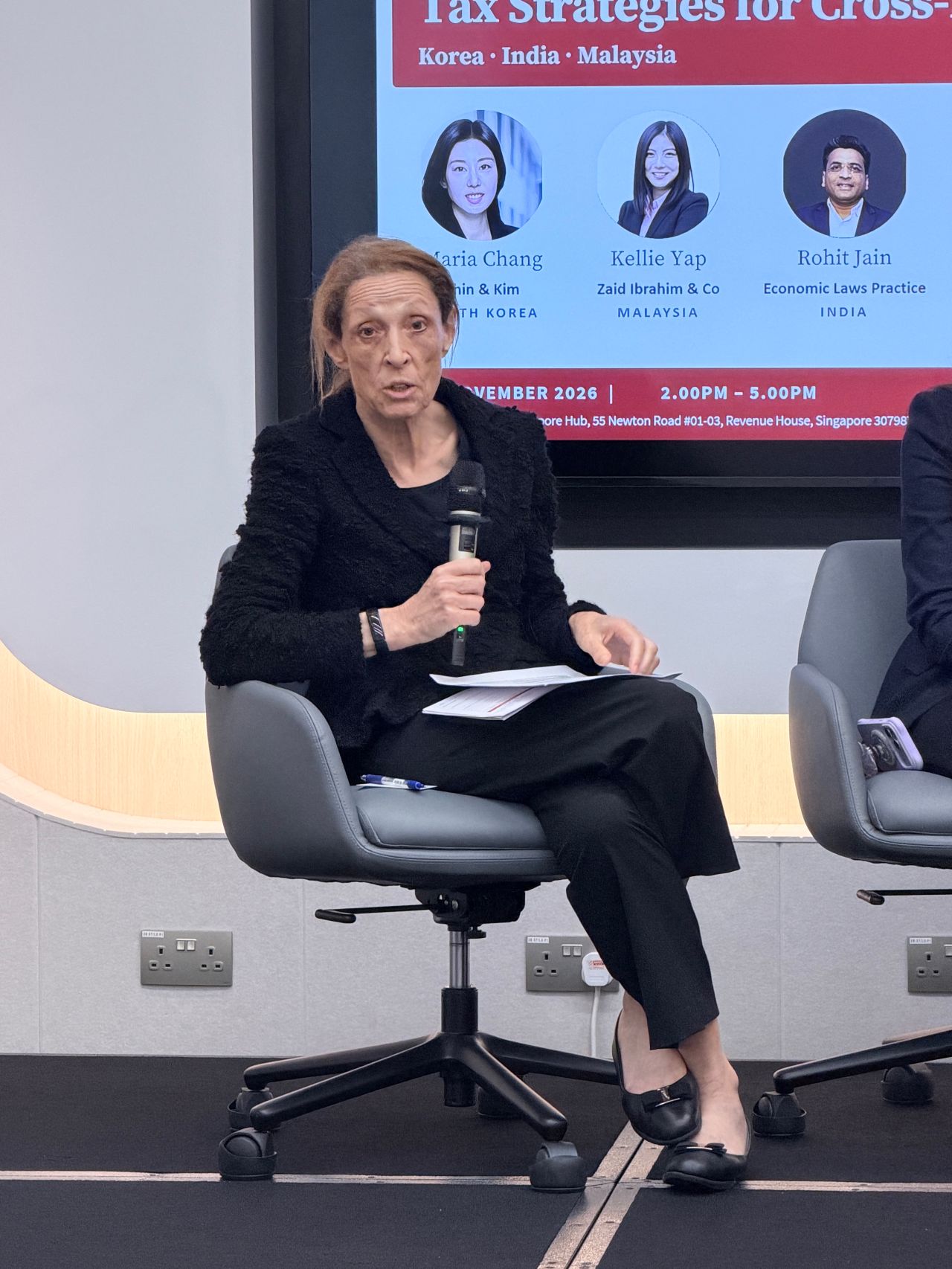
The seminar also examined recent tax developments and the challenges surrounding tax audits, transfer pricing and controversy in the three markets. These areas underscore the importance of staying informed of local requirements and taking a considered approach to managing cross-border tax risks.
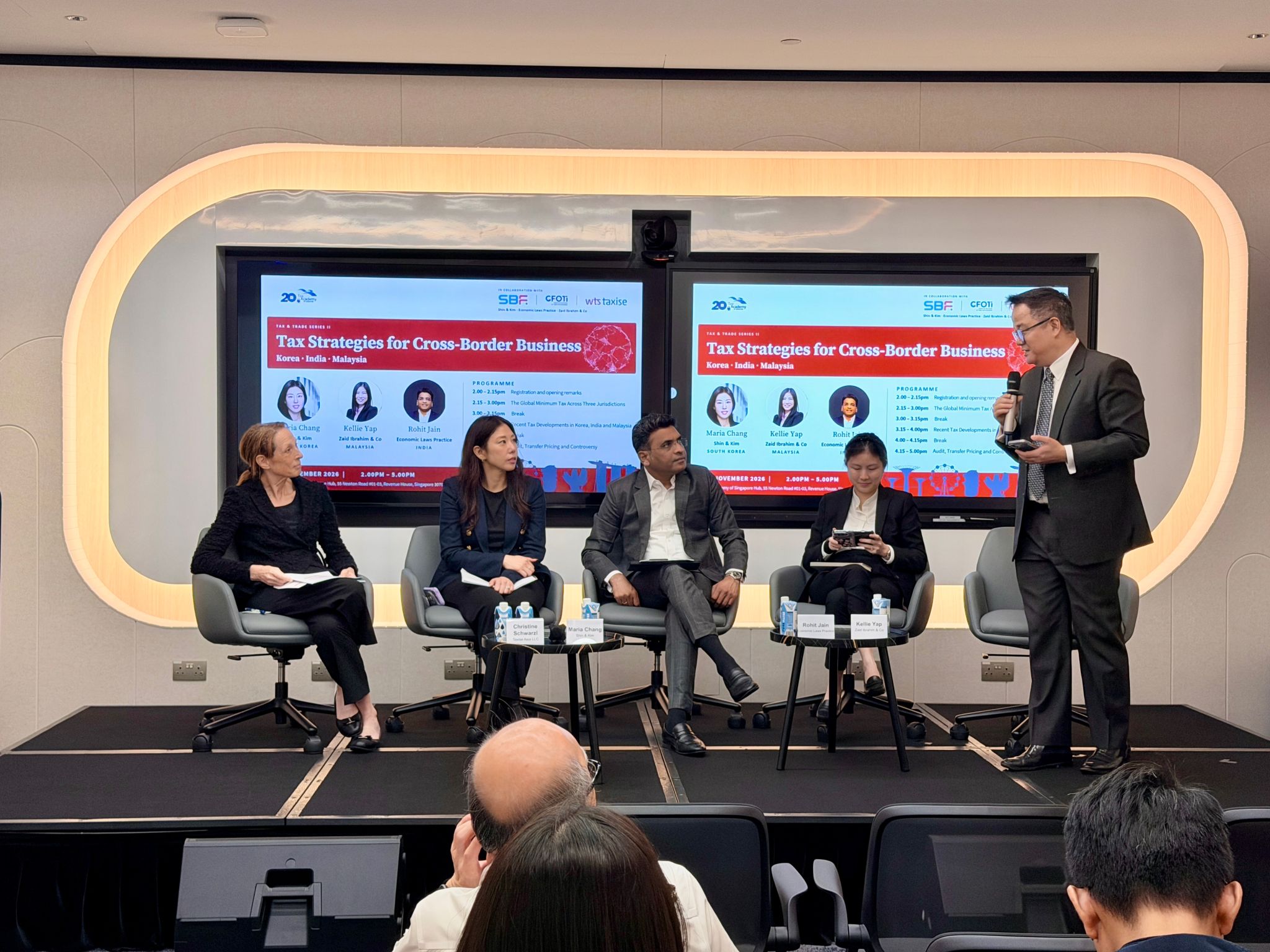
From left to right: Ms Christine Schwarzl, Ms Maria Chang, Mr Rohit Jain, Ms Kellie Allison Yap, Mr Eugene Lim
Perspectives from Practitioners Across Three Jurisdictions
The seminar featured three practitioners who shared their perspectives and experience in their respective markets:
Ms Maria Chang, Senior Foreign Attorney, Tax Practice Group, Shin & Kim (South Korea)
Mr Rohit Jain, Deputy Managing Partner and Co-Head Tax & Customs Practice, Economic Laws Practice (ELP) (India)
Ms Kellie Allison Yap, Partner, Tax and Customs Practice Group, Zaid Ibrahim & Co (Malaysia)
The discussions were moderated by Ms Christine Schwarzl, Associate Principal, and Mr Eugene Lim, Founding Principal, both from WTS Taxise.
Bringing together practitioners with experience in South Korea, India and Malaysia provided participants with an opportunity to gain insights into the tax environments of these markets and consider how local developments relate to broader international tax trends. The exchange of perspectives also highlighted the value of understanding jurisdiction-specific requirements when managing cross-border business activities.
Strengthening Regional Tax Knowledge and Cross-Border Readiness
The two instalments of the Tax & Trade series have brought attention to the different tax and trade considerations that businesses face when operating across markets. From international tax developments and transfer pricing to customs requirements and trade compliance, understanding the regulatory environment in each jurisdiction remains important for businesses with regional operations.
By extending the discussion to South Korea, India and Malaysia, the second instalment further broadened the regional perspectives shared through the series. Together, the programmes provided a platform for tax professionals to learn from practitioners with experience in different jurisdictions, exchange knowledge and deepen their understanding of the evolving cross-border tax landscape.
Through initiatives such as the Tax & Trade series, Tax Academy of Singapore continues to facilitate knowledge exchange and bring industry perspectives on emerging international tax developments to the tax community.
Tax Academy of Singapore extends its appreciation to the Singapore Business Federation, CFOTI and WTS Taxise for their collaboration. Tax Academy of Singapore also thanks Ms Maria Chang, Mr Rohit Jain and Ms Kellie Allison Yap for sharing their expertise and perspectives, Ms Christine Schwarzl and Mr Eugene Lim for moderating the discussions, and all participants for their active engagement.